.svg)
18 % de toute la musique téléchargée sur Deezer est désormais entièrement générée par l'IA
Et si près d'une chanson sur cinq que vous écoutiez en streaming n'était pas du tout créée par un être humain ? Une récente explosion de musique générée par l'IA secoue le cœur même de l'industrie musicale, des plateformes comme Deezer rapportant que 18 % de leurs téléchargements sont désormais entièrement composés par l'intelligence artificielle. Ce changement suscite de vifs débats. Entrons-nous dans un nouvel âge d'or de la collaboration créative, ou risquons-nous l'âme de la musique elle-même ? Des mélodies conçues par des algorithmes aux paroles basées sur des données, cet article explore l'essor de l'IA dans la création musicale, son potentiel à remodeler l'art et les modèles de revenus, et ce que tout cela signifie pour l'avenir du son. Que vous soyez un artiste, un auditeur ou simplement curieux de l'IA, c'est une conversation à ne pas manquer.

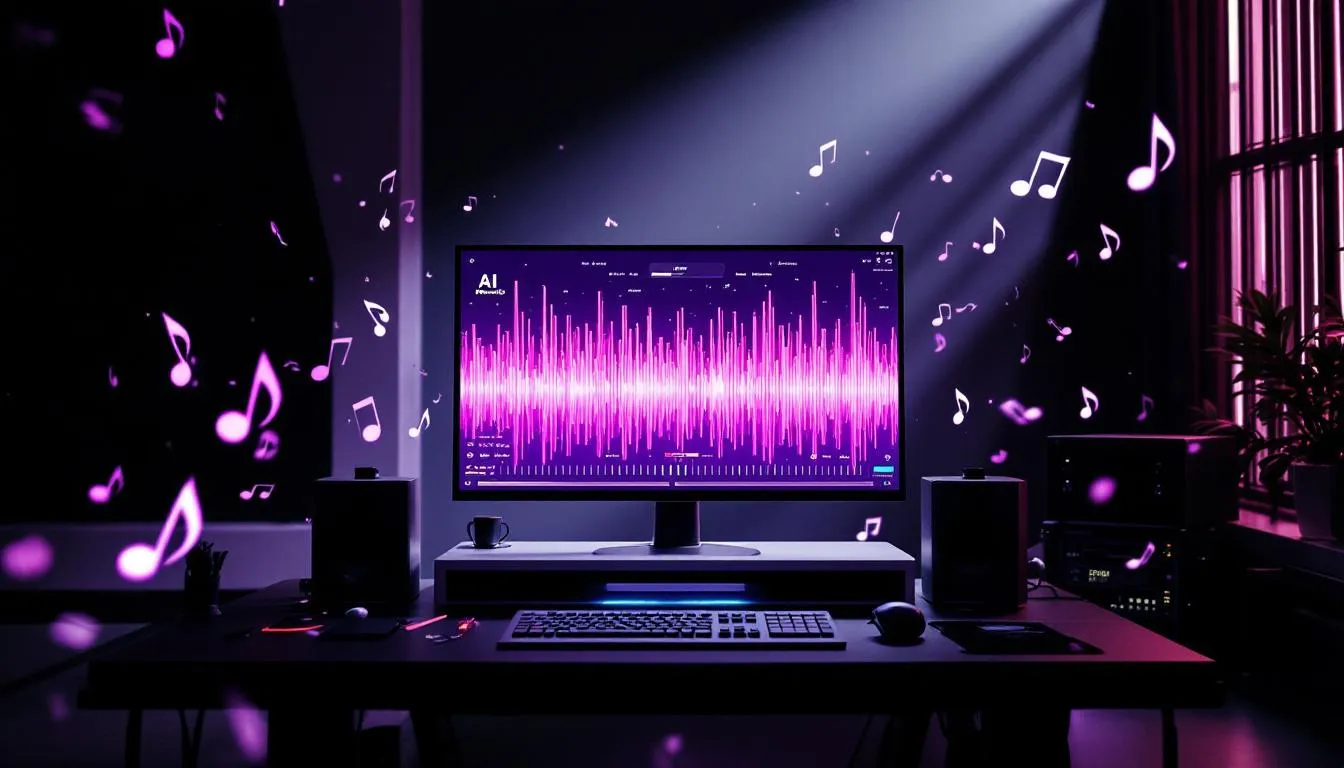
Dans un monde où la technologie évolue rapidement, l'industrie musicale connaît une transformation significative. Des rapports récents indiquent qu'un pourcentage stupéfiant de 18 % de toute la musique téléchargée sur Deezer, l'une des principales plateformes de streaming, est désormais entièrement généré par l'intelligence artificielle (IA). Ce développement soulève des questions intrigantes sur l'avenir de la création musicale, le rôle des artistes et la manière dont les auditeurs s'engageront avec cette nouvelle vague sonore.
L'essor de l'IA dans la création musicale
L'IA fait des vagues dans diverses industries, et la musique ne fait pas exception. De la composition de mélodies à la génération de morceaux entiers, les outils d'IA deviennent de plus en plus sophistiqués. La capacité d'analyser de vastes quantités de données permet à ces systèmes de comprendre les motifs, les styles et les tendances musicales, leur permettant ainsi de créer une musique qui résonne auprès des auditeurs.
Comprendre la musique générée par l'IA
À la base, la musique générée par l'IA implique des algorithmes qui produisent du son en se basant sur des cadres musicaux existants. Ces algorithmes analysent des milliers de chansons pour apprendre ce qui rend un morceau attrayant. Ils peuvent imiter différents genres, instruments et même les styles uniques d'artistes célèbres.
Le résultat ? Une nouvelle ère musicale qui est non seulement innovante, mais aussi accessible à toute personne disposant du bon logiciel. De plus, la musique générée par l'IA peut être adaptée à des ambiances ou des thèmes spécifiques, permettant des expériences d'écoute personnalisées qui répondent aux préférences individuelles. Cette adaptabilité ouvre des possibilités passionnantes pour tout, de la composition de bandes originales de films à la musique d'ambiance pour les jeux vidéo, créant un paysage sonore dynamique qui évolue avec le récit.
La technologie derrière la musique
Diverses technologies contribuent à la création de musique par l'IA. L'apprentissage automatique (machine learning), l'apprentissage profond (deep learning) et les réseaux neuronaux ne sont que quelques-uns des outils qui permettent à l'IA de créer des compositions. En s'entraînant sur un ensemble de données diversifié de chansons, ces systèmes peuvent générer de la musique originale qui sonne étonnamment humaine.
Cette technologie ne se limite pas à la création de mélodies ; elle peut également produire des paroles, des harmonies et des arrangements. De plus, les avancées en traitement du langage naturel permettent à l'IA de créer des paroles qui transmettent des émotions et racontent des histoires captivantes, brouillant davantage les frontières entre la créativité humaine et celle des machines.
À mesure que l'IA continue d'évoluer, le potentiel de collaboration entre les musiciens humains et les systèmes d'IA s'accroît, menant à une fusion de l'art traditionnel et de la technologie de pointe qui peut redéfinir le paysage musical.
L'impact sur les artistes et l'industrie
Alors que l'IA continue d'infiltrer la scène musicale, les implications pour les artistes et l'industrie sont profondes. Si certains musiciens considèrent l'IA comme un outil pouvant améliorer leur créativité, d'autres s'inquiètent du potentiel de déplacement d'emplois et de la dévalorisation de l'art humain. La conversation autour de la musique générée par l'IA est complexe, et il est essentiel de considérer les deux côtés de l'argument.
Collaboration ou concurrence ?
Pour de nombreux artistes, l'IA représente une opportunité de collaboration plutôt que de concurrence. Les musiciens peuvent utiliser les outils d'IA pour trouver des idées, expérimenter de nouveaux sons et même co-créer des morceaux. Ce partenariat peut donner naissance à une musique innovante qui mêle la créativité humaine à la prouesse technologique.
De plus, le potentiel collaboratif de l'IA s'étend au-delà de la simple création sonore. Elle peut analyser de vastes quantités de données pour identifier les tendances des préférences des auditeurs, aidant ainsi les artistes à adapter leur musique pour qu'elle résonne avec leur public. Cette approche basée sur les données peut permettre aux musiciens de prendre des décisions éclairées concernant leur direction artistique, ce qui pourrait conduire à une base de fans plus engagée.
Pourtant, cette dépendance aux algorithmes soulève des inquiétudes quant à l'homogénéisation de la musique, car les artistes pourraient se sentir contraints de se conformer aux tendances populaires plutôt que d'explorer leurs styles uniques.
Évolution des modèles de revenus
L'essor de la musique générée par l'IA pourrait également perturber les modèles de revenus traditionnels de l'industrie. Avec plus de musique disponible et le potentiel de coûts de production réduits, les artistes pourraient avoir du mal à monétiser leur travail. Les plateformes de streaming comme Deezer devront adapter leurs stratégies commerciales pour s'adapter à ce nouveau paysage, garantissant que la musique générée par l'IA et celle créée par l'homme puissent coexister et prospérer.
Outre les défis de la monétisation, l'émergence de l'IA dans la musique soulève des questions de droit d'auteur et de propriété. Si un système d'IA génère un morceau, qui détient les droits sur cette musique ? Cette ambiguïté pourrait entraîner des batailles juridiques et nécessiter de nouvelles réglementations pour protéger les intérêts des artistes humains et des développeurs d'IA.
Perspectives des auditeurs
À mesure que la musique générée par l'IA se généralise, les auditeurs sont confrontés à une expérience unique. La capacité de découvrir de nouveaux sons et genres créés par des algorithmes peut être passionnante. Cependant, cela soulève également des questions sur l'authenticité et la connexion émotionnelle. Une chanson créée par l'IA peut-elle évoquer les mêmes sentiments qu'une œuvre composée par un artiste humain ?
Le nouveau son de la musique
Pour beaucoup, la nouveauté de la musique générée par l'IA fait partie de son attrait. La grande variété et la créativité que ces algorithmes peuvent produire peuvent mener à des expériences d'écoute inattendues et rafraîchissantes. Certains auditeurs peuvent trouver du plaisir à explorer des morceaux qui ne ressemblent à rien de ce qu'ils ont entendu auparavant, tandis que d'autres pourraient ressentir un décalage dû au manque d'émotion humaine derrière la musique.
De plus, l'intégration de l'IA dans la production musicale ne se limite pas à la génération de mélodies ; elle implique également une superposition sophistiquée de sons et de rythmes qui peuvent imiter les styles de divers genres. Cela ouvre un dialogue fascinant sur ce qui constitue l'originalité en musique, car l'IA peut mélanger des éléments de genres classiques, jazz, pop et électroniques pour créer quelque chose d'entièrement nouveau.
L'authenticité à l'ère numérique
L'authenticité est un facteur crucial dans l'appréciation musicale. De nombreux fans se connectent profondément aux histoires et aux émotions transmises par les artistes humains. La musique générée par l'IA, bien qu'innovante, peut manquer de la touche personnelle qui définit une grande partie de ce que les auditeurs apprécient.
À mesure que l'industrie évolue, il sera intéressant de voir comment les auditeurs naviguent sur ce nouveau terrain et ce qu'ils valorisent finalement dans leur musique. Certains auditeurs pourraient adopter l'IA comme un outil collaboratif, la considérant comme un moyen d'améliorer la créativité humaine plutôt que de la remplacer.
De plus, l'essor de l'IA dans la musique pourrait conduire à de nouvelles formes d'expression artistique, où les artistes humains utilisent des composants générés par l'IA pour inspirer leur travail ou repousser les limites de leur créativité. Cette intersection de la technologie et de l'art pourrait redéfinir ce que signifie être musicien au 21e siècle, remettant en question les notions traditionnelles d'auteur et de créativité.
L'avenir de l'IA dans la musique
En regardant vers l'avenir, l'avenir de l'IA dans la musique est à la fois passionnant et incertain. À mesure que la technologie continue de progresser, le potentiel de l'IA à influencer la création musicale ne fera que croître. Cela soulève d'importantes questions sur le rôle des artistes, la définition de la créativité et la relation entre la technologie et l'art.
Collaborations innovantes
Une possibilité est l'essor de collaborations innovantes entre artistes humains et IA. À mesure que les musiciens se familiarisent avec ces outils, ils pourraient commencer à expérimenter l'IA de manière à repousser les limites de la créativité. Cela pourrait donner naissance à des genres ou des styles entièrement nouveaux qui mêlent l'émotion humaine à la précision algorithmique.
Considérations éthiques
À mesure que la musique générée par l'IA se généralise, les considérations éthiques passeront au premier plan. Des questions telles que le droit d'auteur, la propriété et le potentiel d'utilisation abusive de la technologie de l'IA devront être abordées. L'industrie doit établir des lignes directrices pour garantir la protection des artistes et l'utilisation responsable de l'IA.
Conclusion : Adopter le changement
Le fait que 18 % de la musique téléchargée sur Deezer soit désormais entièrement générée par l'IA témoigne de l'évolution rapide de l'industrie musicale. Bien que ce changement présente des défis, il ouvre également un monde de possibilités. Adopter ces changements peut conduire à de nouvelles formes d'expression et de créativité passionnantes.
Alors que les auditeurs, les artistes et les professionnels de l'industrie naviguent dans ce nouveau paysage, la clé sera de trouver un équilibre entre l'art humain et l'innovation technologique. L'avenir de la musique est sans aucun doute prometteur, et il sera fascinant de voir comment l'IA continue de façonner les sons que nous aimons.
En fin de compte, qu'il s'agisse d'un humain ou d'un algorithme derrière la musique, le plus important est qu'elle résonne auprès des auditeurs et évoque des émotions. Le voyage de la musique est en constante évolution, et l'IA n'est qu'un chapitre de cette histoire continue.
Gérez votre activité musicale depuis une plateforme unique
Pré-enregistrements à vie, distribution et gestion des redevances dans un seul espace de travail.