.svg)
Bandcamp interdit toute musique générée par IA
Bandcamp a tracé une ligne claire en interdisant toute musique générée par IA, se positionnant ainsi comme l'une des premières grandes plateformes à privilégier explicitement la créativité humaine par rapport au contenu généré par machine. Alors que la musique IA inonde les plateformes de streaming et brouille la frontière entre l'outil et l'auteur, cette décision soulève des questions plus larges sur la paternité des œuvres, l'équité et l'avenir de la musique indépendante.

Bandcamp a annoncé l'interdiction de toute musique générée par IA, une décision qui la distingue immédiatement de la plupart des autres plateformes de musique numérique. Cette décision reflète une tension croissante au sein de l'industrie musicale, alors que les outils d'intelligence artificielle deviennent capables de produire des chansons complètes avec peu ou pas d'intervention humaine.
Bandcamp s'est longtemps positionnée comme un refuge pour les artistes indépendants. La plateforme met l'accent sur les relations directes entre artistes et fans, des partages de revenus plus équitables et une musique ancrée dans l'expression personnelle. L'essor de la musique générée par IA a commencé à remettre en question ce fondement.
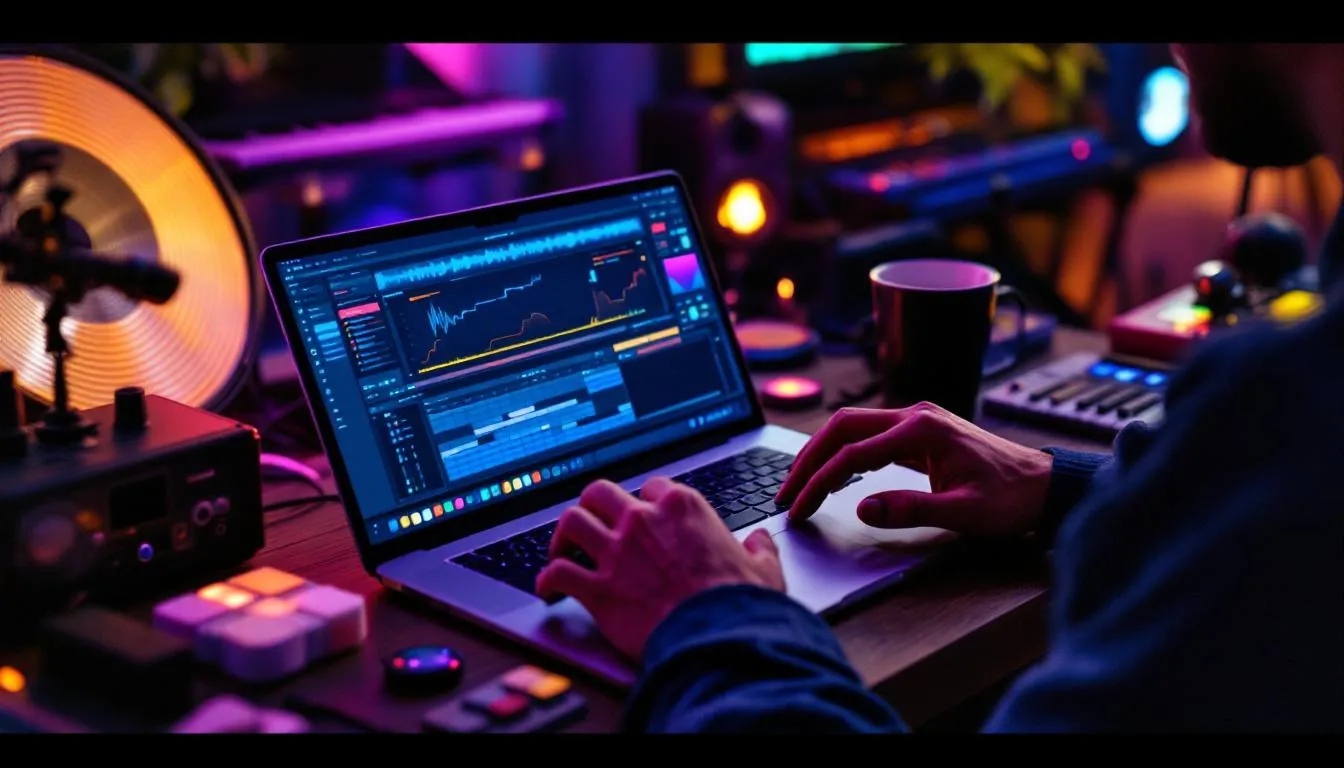
Les outils de création musicale par IA sont désormais largement accessibles. Des albums entiers peuvent être générés par n'importe qui possédant un ordinateur portable, souvent sans compétences musicales traditionnelles ni travail créatif. Bien que cela réduise les barrières à l'entrée, cela introduit également un conflit fondamental avec les valeurs fondamentales de Bandcamp. La direction de la plateforme a présenté cette interdiction comme un moyen de protéger la créativité humaine et d'empêcher les artistes d'être éclipsés par du contenu produit en masse et généré par des machines.
L'afflux de musique IA en ligne
Au cours de la dernière année, les titres générés par IA se sont rapidement multipliés sur des plateformes comme YouTube et Spotify. Beaucoup sont mis en ligne en grand volume, souvent par des comptes anonymes ou des systèmes automatisés. Le résultat est un excès de contenu qui peut sembler répétitif, peu élaboré ou difficile à distinguer de la musique créée par des humains.
Pour les auditeurs, cela crée des frictions. Trouver des œuvres intentionnelles et expressives devient plus difficile lorsque les titres générés par algorithme dominent les systèmes de découverte. Pour les artistes, l'inquiétude est plus profonde. La musique IA peut être produite plus rapidement et à moindre coût que le travail humain, ce qui soulève des craintes quant à la dévalorisation du travail artistique.
L'interdiction de Bandcamp trace une frontière claire. La plateforme réserve explicitement un espace à la musique créée par des humains, et non par des machines. Il s'agit non seulement d'une position philosophique, mais aussi économique. Les musiciens indépendants dépendent de la visibilité, du soutien de la communauté et de la découverte organique, autant d'éléments qui peuvent être compromis si le contenu automatisé inonde l'écosystème.
Au-delà de la création, l'IA influence également les tendances et les systèmes de recommandation. Les algorithmes peuvent façonner ce que les auditeurs rencontrent, reléguant potentiellement au second plan les petits artistes qui luttent déjà pour attirer l'attention. La politique de Bandcamp signale une tentative de protéger la diversité et la paternité humaine dans un environnement de plus en plus automatisé.
Qu'est-ce qui est considéré comme de la musique générée par IA ?
Toutes les utilisations de l'IA ne sont pas traitées de la même manière. L'IA peut aider dans de nombreuses parties du processus créatif, du mastering et de la conception sonore à la génération de rythmes. Certains artistes utilisent l'IA comme point de départ, puis ajoutent des voix, des instruments et une composition qui reflètent clairement l'intention humaine.
La politique de Bandcamp se concentre sur la musique principalement créée par l'IA, où l'algorithme agit comme le compositeur ou l'interprète principal. Les titres qui dépendent fortement de l'IA avec une contribution créative humaine minimale ne sont pas autorisés. La musique qui utilise l'IA comme un outil dans un processus plus large dirigé par l'humain peut toujours être autorisée.
Cette distinction laisse de la place à l'expérimentation tout en maintenant l'accent sur la paternité humaine. Le défi réside dans l'application, car la frontière entre l'assistance et la paternité n'est pas toujours évidente.
Où se trace la limite
De nombreux musiciens s'appuient déjà sur la technologie. Les synthétiseurs, les stations de travail audio numériques et les bibliothèques d'échantillons ont longtemps brouillé la frontière entre l'humain et la machine. Bandcamp n'a pas interdit les flux de travail hybrides où les artistes restent clairement en contrôle de la direction créative.
L'interdiction vise la musique qui est effectivement créée par des machines. Cette approche laisse de la place à l'innovation sans ouvrir la porte à des usines de contenu qui submergeraient la plateforme. À mesure que les outils d'IA continuent d'évoluer, les débats autour de la paternité et de la créativité sont susceptibles de s'intensifier. L'industrie musicale est encore en train de définir ce que signifie l'originalité lorsque les machines peuvent générer des imitations convaincantes de l'expression humaine.
Réactions des artistes et préoccupations de l'industrie
Les réactions des artistes ont été mitigées. De nombreux musiciens indépendants soutiennent l'interdiction, la considérant comme une défense nécessaire du travail créatif et de la durabilité. Pour eux, Bandcamp représente l'une des rares plateformes restantes où la musique créée par l'homme est la priorité.
D'autres craignent que cette politique ne limite l'expérimentation ou ne décourage de nouvelles formes de collaboration entre les artistes et les outils d'IA. L'IA peut offrir de nouvelles possibilités sonores, et certains craignent que des règles strictes ne ralentissent l'exploration créative.
Il y a aussi la question de l'équité. Si la musique générée par l'IA est autorisée à se développer sans contrôle, elle pourrait évincer les artistes humains qui n'ont pas les ressources nécessaires pour rivaliser avec une production automatisée. La politique de Bandcamp vise à prévenir ce déséquilibre.
Ce que cela signifie pour l'avenir
La décision de Bandcamp est une déclaration de principes. Elle affirme que la créativité humaine compte toujours, même si la technologie devient plus performante. Elle soulève également des questions plus larges sur la manière dont les plateformes devraient gérer l'art généré par l'IA et où se situe la responsabilité.
D'autres plateformes pourraient ne pas suivre l'exemple de Bandcamp, mais cette décision accentue la pression pour clarifier les politiques. L'industrie pourrait à terme se diviser en espaces qui privilégient la musique créée par l'homme, en espaces qui adoptent le contenu généré par l'IA, et en environnements hybrides où les deux coexistent.
Soutenir les musiciens humains
Les auditeurs ont toujours un rôle à jouer. Acheter directement auprès des artistes, assister à des concerts, partager de la musique de manière intentionnelle et prêter attention à la façon dont la musique est créée contribuent tous à maintenir un écosystème sain.
L'interdiction de Bandcamp met en lumière une question culturelle plus vaste. Dans un monde où les machines peuvent imiter l'art, que choisissons-nous de valoriser ? Pour l'instant, Bandcamp fait le choix des humains.
Gérez votre activité musicale depuis une plateforme unique
Pré-enregistrements à vie, distribution et gestion des redevances dans un seul espace de travail.