.svg)
Apple Music just pulled back the curtain on AI in music. New transparency tags will now reveal when a song was created by a human, assisted by AI, or generated entirely by algorithms. For artists and listeners alike, this raises a big question: when you hit play, do you actually know who made the music?

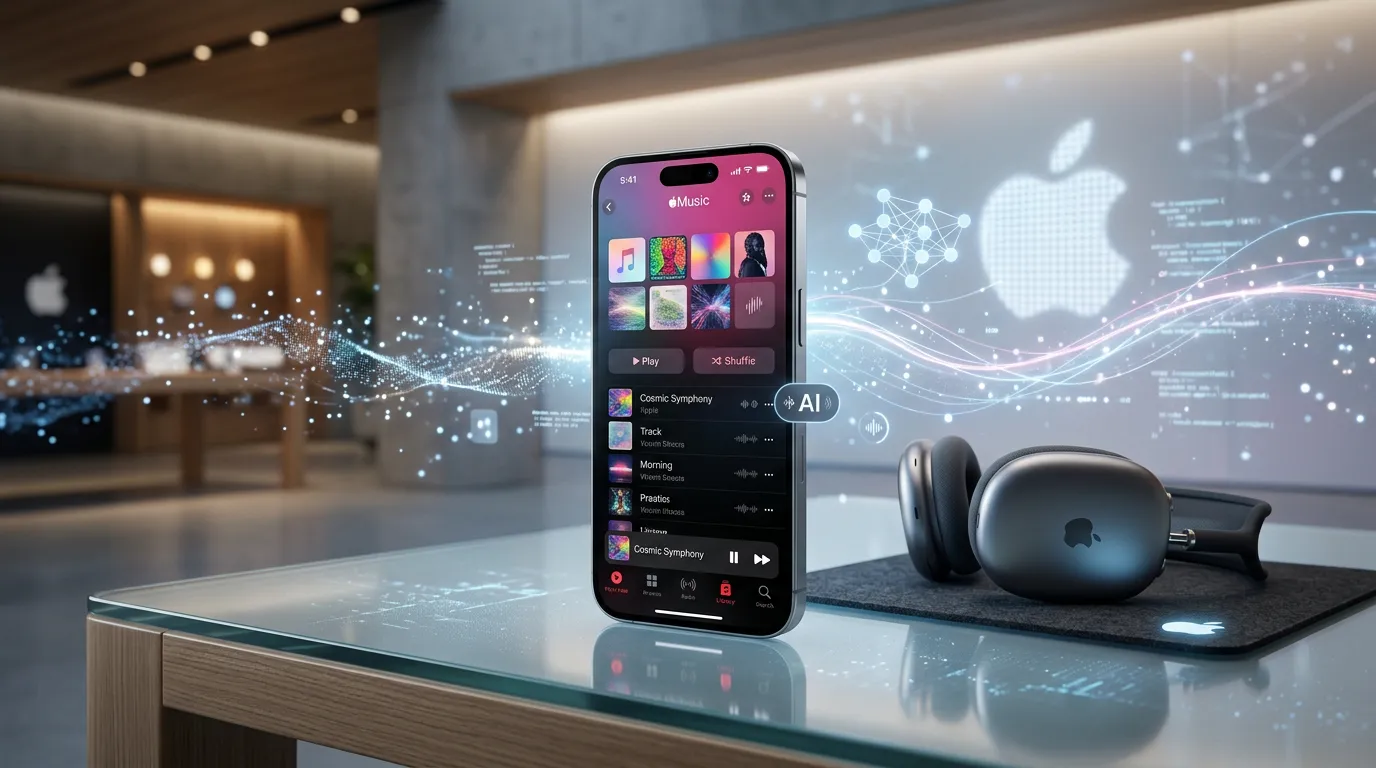
Music streaming just got a lot more honest. Apple Music launches AI Transparency Tags, marking a significant shift in how listeners discover and understand the content filling their playlists. This move forces a conversation the industry has been avoiding: when you press play, do you know whether a human or algorithm created what you're hearing? For independent artists who've spent years honing their craft, this distinction matters more than ever. The new labeling system promises to pull back the curtain on AI-generated tracks, giving listeners the information they need to make informed choices about the music they support.
The Evolution of AI Transparency on Apple Music
Defining the New Labeling Standards
Apple's new framework requires clear disclosure when tracks contain AI-generated elements. This includes fully synthetic compositions, AI-assisted production, and tracks using voice cloning technology. Each category receives distinct labeling, visible directly in the track metadata. The standards go beyond simple yes-or-no classifications, offering granular detail about exactly which components involved artificial intelligence.
The Shift Toward Ethical Content Discovery
Streaming platforms have long operated as black-box systems where algorithmic recommendations shape listening habits without explanation. Apple's transparency initiative represents a philosophical pivot toward informed consumption. Listeners can now actively choose whether to engage with AI content rather than having it served without context. This shift positions ethical disclosure as a competitive differentiator in an increasingly crowded market.
How AI Transparency Tags Function for Listeners
Identifying Generative AI vs. Human Composition
The tagging system distinguishes between tracks created entirely by AI and those where humans used AI as a tool. A song written by a human but produced with AI-assisted mixing receives different labeling than one generated from a text prompt. This nuance matters because the creative input varies dramatically between these scenarios. Listeners who care about supporting human artistry can filter accordingly.
Metadata Integration and Visual Indicators
Tags appear in multiple locations throughout the Apple Music interface. Album pages display AI indicators alongside traditional credits, while the now-playing screen shows small icons denoting AI involvement. Search filters allow users to include or exclude AI-tagged content from results. The integration feels native rather than intrusive, providing information without disrupting the listening experience.
Impact on Artists and the Creator Economy
Protecting Intellectual Property and Voice Likeness
Voice cloning has created genuine anxiety among artists who've watched unauthorized AI versions of their vocals circulate online. Apple's system requires explicit disclosure when voice likeness technology appears in tracks, creating accountability where none previously existed. Artists can report unauthorized use directly through the platform, triggering review processes that may result in content removal.
Submission Requirements for Independent Musicians
Independent artists uploading through distribution platforms now face additional declaration requirements. During submission, creators must specify any AI involvement in composition, production, or vocal generation. False declarations carry consequences including content removal and potential account restrictions. For artists using platforms like Releese to distribute their music, understanding these new requirements becomes essential for maintaining good standing with streaming services.
Apple's Competitive Stance Against Spotify and YouTube
While Spotify has experimented with AI-generated content and YouTube hosts countless AI covers, neither has implemented comprehensive transparency labeling. Apple's move positions the company as the ethical choice for listeners concerned about AI proliferation in music. This strategy mirrors Apple's broader privacy-focused marketing, differentiating through values rather than just features. The pressure now falls on competitors to match these standards or explain why they won't.
Addressing the Deepfake and Copyright Dilemma
Verification Processes for AI-Assisted Tracks
Apple employs both automated detection and human review to verify AI declarations. Audio fingerprinting technology identifies known AI-generated patterns, while flagged content receives manual inspection. The system isn't perfect, but it creates meaningful friction for bad actors attempting to pass synthetic content as human-created. Appeals processes exist for disputed classifications, acknowledging that edge cases will inevitably arise.
The Future of Algorithmic Curation and Human Artistry
These transparency tags represent the beginning of a larger reckoning. As AI capabilities expand, the line between tool and creator will continue blurring. Apple's framework establishes precedent for how platforms might handle this evolution, prioritizing listener awareness over algorithmic convenience. For human artists, visibility into AI competition provides data they've lacked until now.
The music industry has always adapted to technological disruption, from vinyl to streaming. AI represents another inflection point, but this time listeners get to participate in shaping how that transition unfolds. Transparency won't slow AI development, but it ensures audiences can consciously decide what role synthetic content plays in their musical lives. That choice, ultimately, belongs to the people pressing play.
Run your music business from one place
Lifetime pre-saves, distribution, and royalty accounting in one workspace.