.svg)
Spotify Pushing to Monetize Derivatives
Spotify is betting big on the remix culture. From sped-up nightcore tracks to dreamy slowed + reverb edits, fan-made derivatives are going viral, and Spotify wants a piece of the action. Could native remixing tools and new monetization models redefine how listeners engage with music? The next era of streaming is about interaction, not just listening.

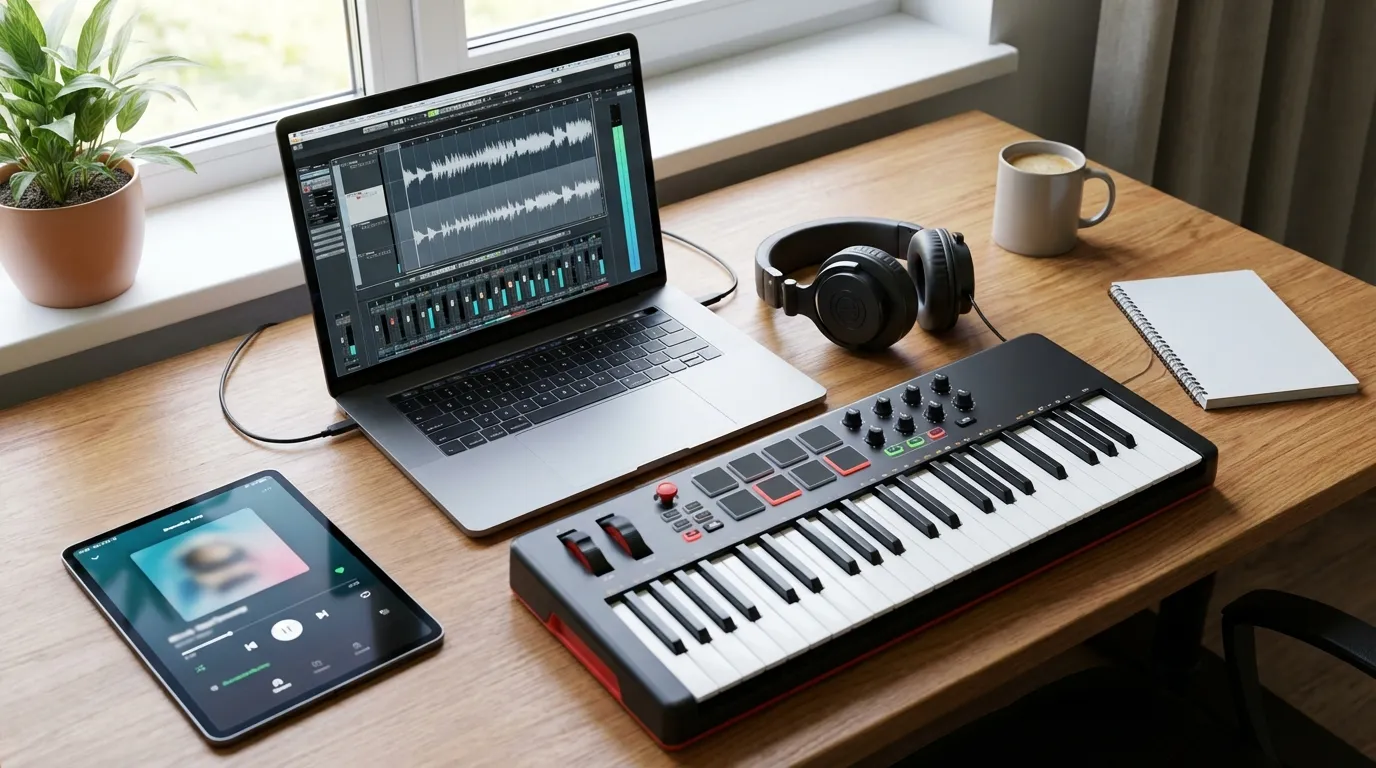
The streaming giant is making a calculated bet on a phenomenon that's been reshaping music consumption for years. Spotify is pushing to monetize derivatives, those sped-up, slowed-down, and remixed versions of tracks that have exploded across social media. What started as fan-made edits on TikTok has become a legitimate revenue opportunity, and the platform wants its cut. Rather than fighting this trend, Spotify appears ready to embrace it with tools that could fundamentally change how listeners interact with their favorite songs.
The Rise of Modified Audio and the Derivative Economy
Defining Sped-Up, Slowed-Down, and Remixed Tracks
Derivatives aren't new. Chopped and screwed music dates back to Houston hip-hop in the 1990s. What's changed is accessibility. Anyone with a smartphone can pitch-shift a track, add reverb, and upload it within minutes. These modifications range from subtle tempo adjustments to dramatic transformations that make songs nearly unrecognizable. The "nightcore" community speeds tracks up for an energetic feel, while "slowed + reverb" edits create dreamy, atmospheric versions that dominate late-night playlists.
The Viral Impact of TikTok Trends on Spotify Consumption
TikTok has become the discovery engine for modified tracks. A sped-up version of a song goes viral, users search for it on Spotify, and suddenly there are dozens of unofficial uploads competing for streams. Some derivative versions have outperformed originals by millions of plays. This creates a messy situation where rights holders miss out on revenue while anonymous uploaders profit from someone else's work.
Spotify's Strategic Shift Toward In-App Remixing Tools
Developing Native Audio Manipulation Features
Spotify has been quietly testing features that let users adjust playback speed and pitch directly within the app. The logical next step is a full suite of remixing tools. Imagine creating your own slowed version of a track and saving it to a playlist, all without leaving the platform. This keeps engagement high and positions Spotify as more than a passive listening service.
Reducing Platform Leakage to Third-Party Editing Apps
Every time a user exports audio to an external editing app, Spotify loses control of that interaction. Third-party tools like Moises or Audacity handle the modification, and the resulting file often ends up on YouTube or SoundCloud instead. By building these capabilities natively, Spotify can keep users in its ecosystem while capturing data on which modifications resonate most.
New Revenue Models for Artists and Rights Holders
Automated Rights Detection and Royalty Attribution
The technical challenge here is significant. Spotify needs systems that can identify when a modified track derives from a copyrighted original and route royalties accordingly. Audio fingerprinting technology has improved dramatically, making this feasible at scale. When someone streams a fan-made nightcore edit, the original artist and label could receive their share automatically.
Tiered Monetization for User-Generated Content
A tiered system could work well here. Basic modifications might be free, while premium features like stem separation or advanced effects require a subscription upgrade. Platforms like Releese already help independent artists navigate distribution complexities, and similar infrastructure could support derivative content monetization. Revenue splits between original creators and remixers would need careful calibration to feel fair to everyone involved.
Challenges in Licensing and Copyright Management
Navigating Complex Agreements with Major Labels
Major labels have historically been protective of their catalogs. Convincing Universal, Sony, and Warner to allow user modifications requires demonstrating clear financial upside. The pitch is straightforward: capture revenue that's currently flowing to unauthorized uploads elsewhere. Still, negotiating these agreements takes time, and some labels may demand strict controls over what modifications are permitted.
Preventing Fraud and Unofficial Upload Proliferation
The derivative space is rife with bad actors. Some upload barely-modified tracks to farm streams. Others claim ownership of remixes they didn't create. Spotify needs robust verification systems to distinguish legitimate fan creations from opportunistic fraud. This means investing in both automated detection and human review processes.
The Future of Fan Engagement through Interactive Audio
Gamification of the Listening Experience
Interactive audio opens doors beyond simple remixing. Imagine earning badges for creating popular edits, competing in remix challenges, or unlocking exclusive content by engaging with an artist's catalog in creative ways. These mechanics transform passive listeners into active participants, deepening their connection to the music.
Implications for the Creator Economy and Independent Musicians
For independent artists, this shift presents both opportunity and risk. Viral derivatives can introduce music to entirely new audiences. A slowed version of an indie track might reach listeners who'd never encounter the original. The flip side is losing control over how your work is presented. Artists will need to decide how much creative latitude to grant their fans.
Spotify's move into derivative monetization reflects a broader truth about modern music consumption: listeners want to interact with songs, not just hear them. The platforms that facilitate this interaction while fairly compensating creators will define the next era of streaming. Whether Spotify gets the balance right remains to be seen, but the direction is clear.
Run your music business from one place
Lifetime pre-saves, distribution, and royalty accounting in one workspace.